
If your home was built before 1990, there is a high chance it contains asbestos cement materials in its roof structure. Here is how to spot the signs safely, without putting your family or health at risk.
Common Places Asbestos Is Found in Roofs
While many homeowners think of asbestos as just the main roof sheets, asbestos-containing materials were heavily integrated across multiple parts of pre-1990 roof structures and exterior trims:
Main Roof Sheeting
Corrugated cement sheets were one of the most common roofing materials used throughout pre-1990 homes. Because these large sheets are directly exposed to severe weather, UV rays and physical wear, disturbing weathered sheets carries a medium to high risk of releasing hazardous airborne fibers.
Roof Shingles & Tiles
Asbestos-cement shingles were popular as fire-resistant alternatives to slate. Intact shingles generally hold fibers safely, but cutting, drilling or breaking them carries a medium risk.
Eaves & Soffits
Flat fiber-cement boards under your roof overhangs frequently contained asbestos. These pose a medium risk during exterior renovations, repainting or when installing outdoor lighting.
Ridge Capping & Flashing
Pre-molded capping pieces sealed roof peaks and joints. Age and building movement can make these brittle or cracked over time, posing a medium risk if handled without care.
Gutters & Downpipes
Molded asbestos-cement drainage pipes and gutters were common in pre-1990 builds. They generally present a lower risk when intact, but high-pressure washing or physical impact creates hazards.
How to Safely Identify Asbestos Roofing
The single most important rule of asbestos identification is never take samples or disturb the material yourself. The only 100% safe and definitive way to identify asbestos is to hire a licensed asbestos assessor or roofing professional.
While you wait for a professional inspection, you can check for a few common visual indicators from a safe distance.
- Check the Age of Your Home: Home age is the strongest initial indicator. Homes built before the 1980s have a high probability of containing asbestos roofing materials. Properties built between 1980 and 1990 carry a moderate risk as remaining stocks were used up.
- Spot the Texture: Asbestos cement sheets are typically much thicker and deeper than modern metal sheeting. On the underside or along weathered edges, professionals often look for a distinct “golf-ball” dimple texture or exposed fibrous strands.
- Inspect Fasteners and Hardware: Asbestos cement roofing was traditionally fixed using heavy metal J-bolts with large washers.
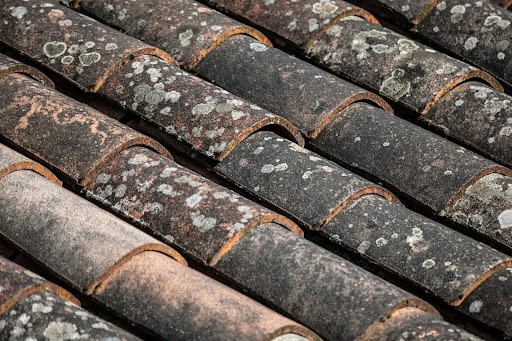
- Look for Moss and Lichen Build-Up: Because asbestos cement is porous and degrades over decades, older asbestos roofs frequently collect heavy moss, lichens and fungal growth compared to modern coated metal roofs.
What to Do Next
Discovering that your home might have an asbestos roof can feel overwhelming, but taking action doesn’t have to be complicated. Following a step-by-step process ensures your home stays safe without taking unnecessary risks.
Book a Professional Inspection & Testing
If you suspect your pre-1990 roof contains asbestos, start with a professional assessment. A licensed assessor can safely inspect the structure and arrange lab testing to confirm whether asbestos cement is present.
Evaluate the Roof’s Condition
Not all asbestos roofs require immediate, costly removal. If the cement sheets are structurally sound and not crumbling, professional encapsulation and sealing is often the safest, most cost-effective way to lock down fibers and stop further weathering.
Professional Asbestos Roof Sealing & Recoating
For roofs in good structural condition, Rainbow Roofing provides certified asbestos roof sealing and recoating services. Using specialized protective membranes, our team safely encapsulates the material, locking in microscopic fibers, extending your roof’s lifespan and refreshing its appearance without the disruption or high expense of teardown.
Know When Full Removal is Required
If testing reveals that your roof is severely cracked, crumbling or structurally compromised, sealing may no longer be a safe option. In these cases, full removal by a licensed Class A/B asbestos removal contractor is necessary before any new roofing work can take place.
Need Expert Guidance on Your Roof?
Protect your family and restore your roof safely with certified asbestos roof sealing and recoating services. Get in touch with Rainbow Roofing today!